

Camera Basics
Updated: May 2, 2019
When it comes to picking out a camera, my best advice would to be pick out with a brand that you know of and can afford.
I, personally, prefer Canon. This is only because I was taught with different Canon cameras as I first started out. As I went on, I got more comfortable and have stuck with it since.

If you rather have Nikon, or even Sony, there is nothing wrong with that. As long as the camera functions to your liking, and you are comfortable enough with it.
No matter the digital camera brand, each camera should have the same basics.
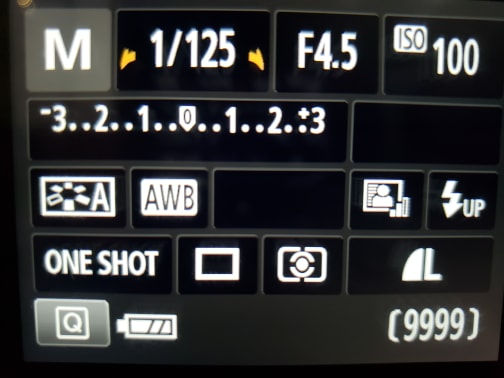
Aperture and F-Stops
The aperture is the adjustable opening within the lens used to control light falling on the film while exposed. The f-number gives away what size the opening of the lens would be.
When is comes to the f-number, also known as "f-stops", the larger the number, the smaller the opening of the lens. This means that you would have a larger depth of field to photograph. Vice versa, the smaller the number, the larger the opening of the lens and a less depth of field.
The depth of field are sharp objects in a photo that are either near or far away.
Common F-stops include:
F/1.4
F/2
F/2.8
F/4
F/5.6
F/8
F/16
F/22
F/32
Shutter Speed
The shutter speed controls the time that the film is exposed to light. In other words, the opening and closing of the lens.
The brighter the setting is, the less of time you want your film to be exposed to. For example, if you are outside on a sunny day, you would want your pictures to be at 1/125, 1/250, etc.
One second is usually the longest shutter speed.
Shutter Speeds
1 second Extremely Dark
1/2
1/4
1/8
1/15
1/30
1/60 Darker/Cloudy
1/125 Bright
1/250
1/500
1/1,000 Extremely Bright
ISO/ASA is the films sensitivity to light.
The higher the ISO/ASA, the faster the film speed and higher sensitivity to light. You would want the number to be higher in lower light situations to be able to get more light for your photo.
As we go further on this journey, I will help you get more comfortable with the camera basics!


Comments